for the present
US /fɚ ðə ˈprɛzənt/
・UK /fə ðə ˈprezənt/
B2
adv. phr.For now; temporarily or at this time.
We will continue with this plan for the present.
Video subtitles
Present perfect in English
- The structure we use for the present perfect is: subject plus have/has plus past participle plus object.
The structure we use for the present perfect is: subject plus have/has plus past participle plus object.
- The structure we use for the present perfect is subject plus have/has
The structure we use for the present perfect is subject plus have/has
Past Simple and Present Perfect - English grammar tutorial video lesson
- For the present perfect, we use the auxiliary verb to have and the past participle.
For the present perfect, we use the auxiliary verb to have and the past participle.
- For the present perfect we use the auxiliary verb 'to have' and the past participle.
For the present perfect we use the auxiliary verb 'to have' and the past participle.
Living English - Episode 06 - He didn't write
- You said "it's fun" for the present and "it was fun" for the past.
You said "it's fun" for the present and "it was fun" for the past.
- You said 'It's fun' for the present...
You said 'It's fun' for the present...
Northanger Abbey 2007 FULL MOVIE ENGSUB
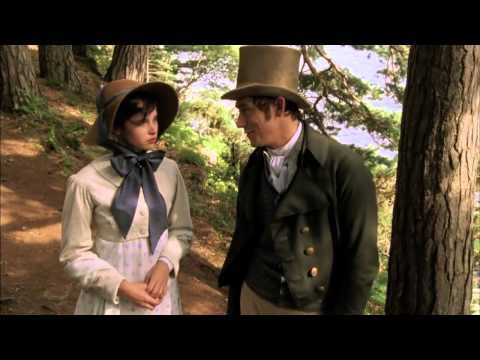
- I, too, must take my leave for the present, just for the present.
I, too, must take my leave for the present, just for the present.
- Just for the present.
Just for the present.
Part 1 - The Adventures of Sherlock Holmes Audiobook by Sir Arthur Conan Doyle (Adventures 01-02)
- Your majesty will, of course, stay in London for the present?" "Certainly.
Your majesty will, of course, stay in London for the present?" "Certainly.
- Your majesty will, of course, stay in London for the present?" "Certainly.
Your majesty will, of course, stay in London for the present?" "Certainly.
Part 1 - The Adventures of Tom Sawyer Audiobook by Mark Twain (Chs 01-10)
- So he thought he would hold a tooth in reserve for the present and seek further.
So he thought he would hold a tooth in reserve for the present and seek further.
- So he thought he would hold the tooth in reserve for the present, and seek further.
So he thought he would hold the tooth in reserve for the present, and seek further.
Present Simple Tense and Present Continuous Tense - English grammar tutorial video lesson
- For the present simple, we use the infinitive form of the verb.
For the present simple, we use the infinitive form of the verb.
- For the present continuous, we need the auxiliary verb "to be," the infinitive form of the verb, and
For the present continuous, we need the auxiliary verb "to be," the infinitive form of the verb, and
Hobart, the Capital of Tasmania
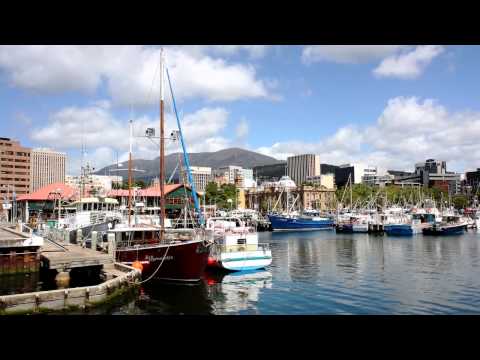
- It grew out of the penal settlement on the island at Risdon Cove, 8 km upriver, which was founded in 1803 and abandoned 5 months later for the present site of Hobart.
It grew out of the penal settlement on the island at Risdon Cove, 8 km upriver, which was founded in 1803 and abandoned 5 months later for the present site of Hobart.
- river, which was founded in 1803 and abandoned five months later for the present site of
river, which was founded in 1803 and abandoned five months later for the present site of
Learn English - modal verbs for ability and permission ("I can, I am able to")
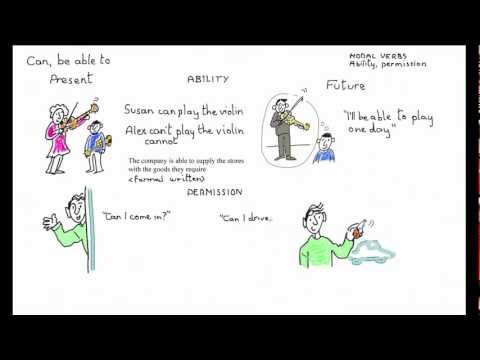
- I'll be able to play one day." So we use "be able to" for the future and "can" or "can't" for the present,
I'll be able to play one day." So we use "be able to" for the future and "can" or "can't" for the present,
- So we use 'be able to' for the future, and 'can' or 'can't' for the present, but we also
So we use 'be able to' for the future, and 'can' or 'can't' for the present, but we also
Part 1 - Pride and Prejudice Audiobook by Jane Austen (Chs 01-15)
- and she only wanted a little pressing to accept it, when Jane testified such concern in parting with her, that Miss Bingley was obliged to convert the offer of the chaise to an invitation to remain at Netherfield for the present.
and she only wanted a little pressing to accept it, when Jane testified such concern in parting with her, that Miss Bingley was obliged to convert the offer of the chaise to an invitation to remain at Netherfield for the present.
- to an invitation to remain at Netherfield for the present.
to an invitation to remain at Netherfield for the present.